Scaling Design Foundations for edX Enterprise
Design Systems
Overview
As edX Enterprise expanded its partnerships, design teams began to feel the strain of scale. Brand consistency eroded across deliverables, screens took too long to produce, and UX best practices were applied unevenly. Design and development workflows drifted apart, creating gaps between what was designed and what could realistically be built.
The challenge wasn’t a lack of talent — it was the absence of shared foundations.
I led the effort to establish a scalable design system that brought alignment across teams while preserving the flexibility designers needed to do thoughtful, effective work.
The Problem We Needed to Solve
As the organization grew, several issues surfaced simultaneously:
Designers spent too much time recreating common UI patterns
UX quality varied depending on team and timeline pressure
Design decisions didn’t always translate cleanly into code
Inconsistencies slowed QA and eroded confidence in the work
Without intervention, these problems would continue to compound, slowing delivery and limiting opportunities to improve enterprise UX and conversion.
My Role and Leadership Approach
As Senior Design Systems Manager, I approached this work less as a tooling exercise and more as an organizational alignment problem.
My goals were to:
Create cohesion across enterprise-facing experiences
Enable faster, more confident design execution
Improve UX quality and conversion opportunities
Bring design and development into closer alignment
To do this, I focused on shared understanding before shared components.
I conducted team audits, stakeholder interviews, and hands-on workshops to understand where designers and developers were struggling — and where a system could provide the most immediate value. I then partnered with cross-functional leaders to secure buy-in by framing the system as a way to reduce friction and unlock better work, not impose new rules.

Building the System (With Adoption in Mind)
Rather than overbuilding upfront, we took a lean, adoption-first approach.
I led the team to:
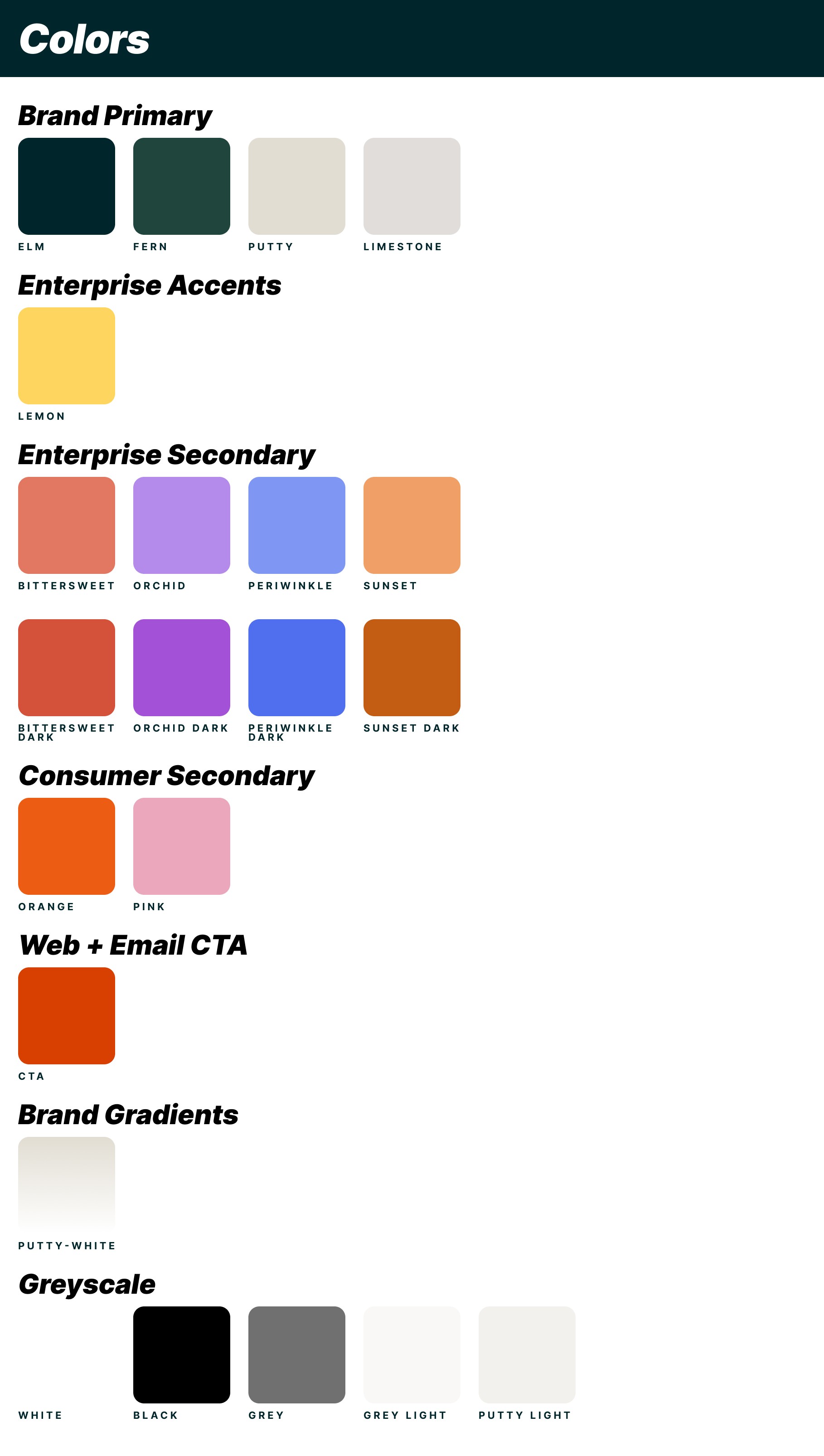
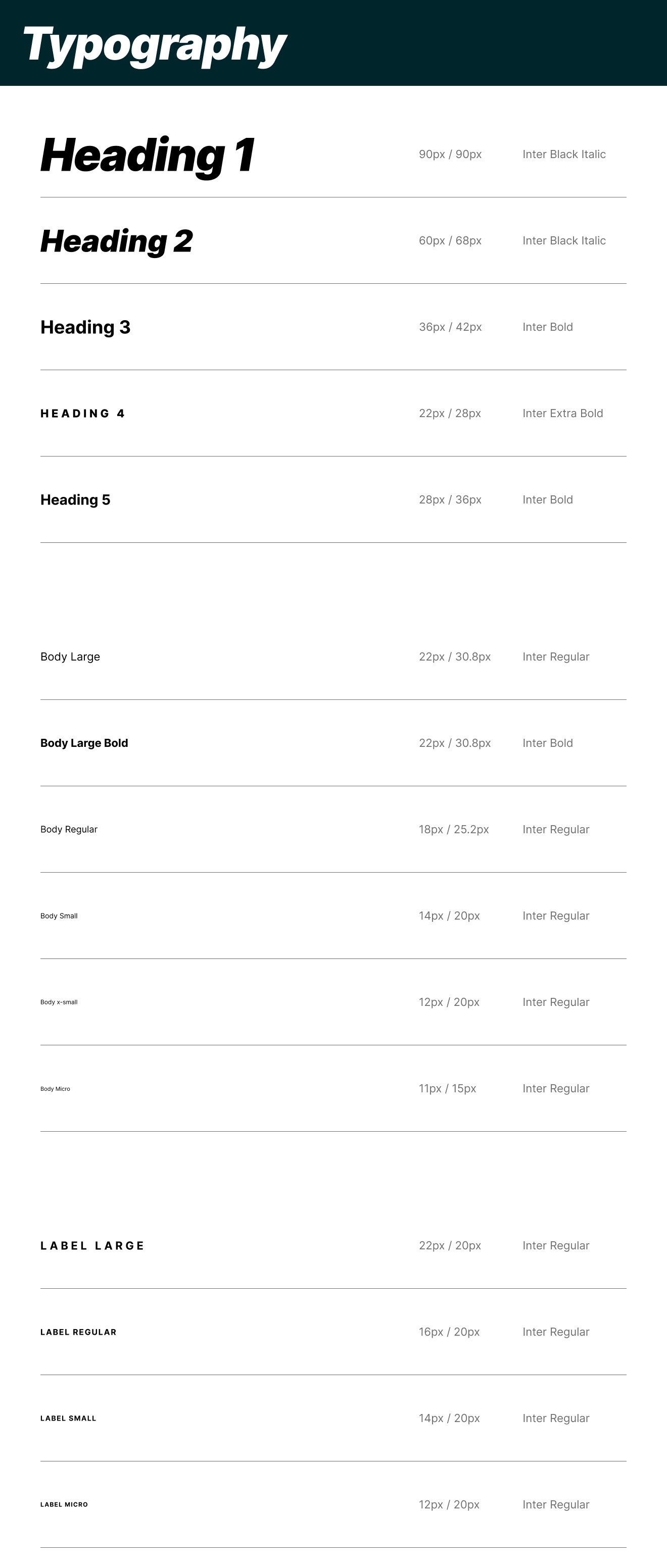
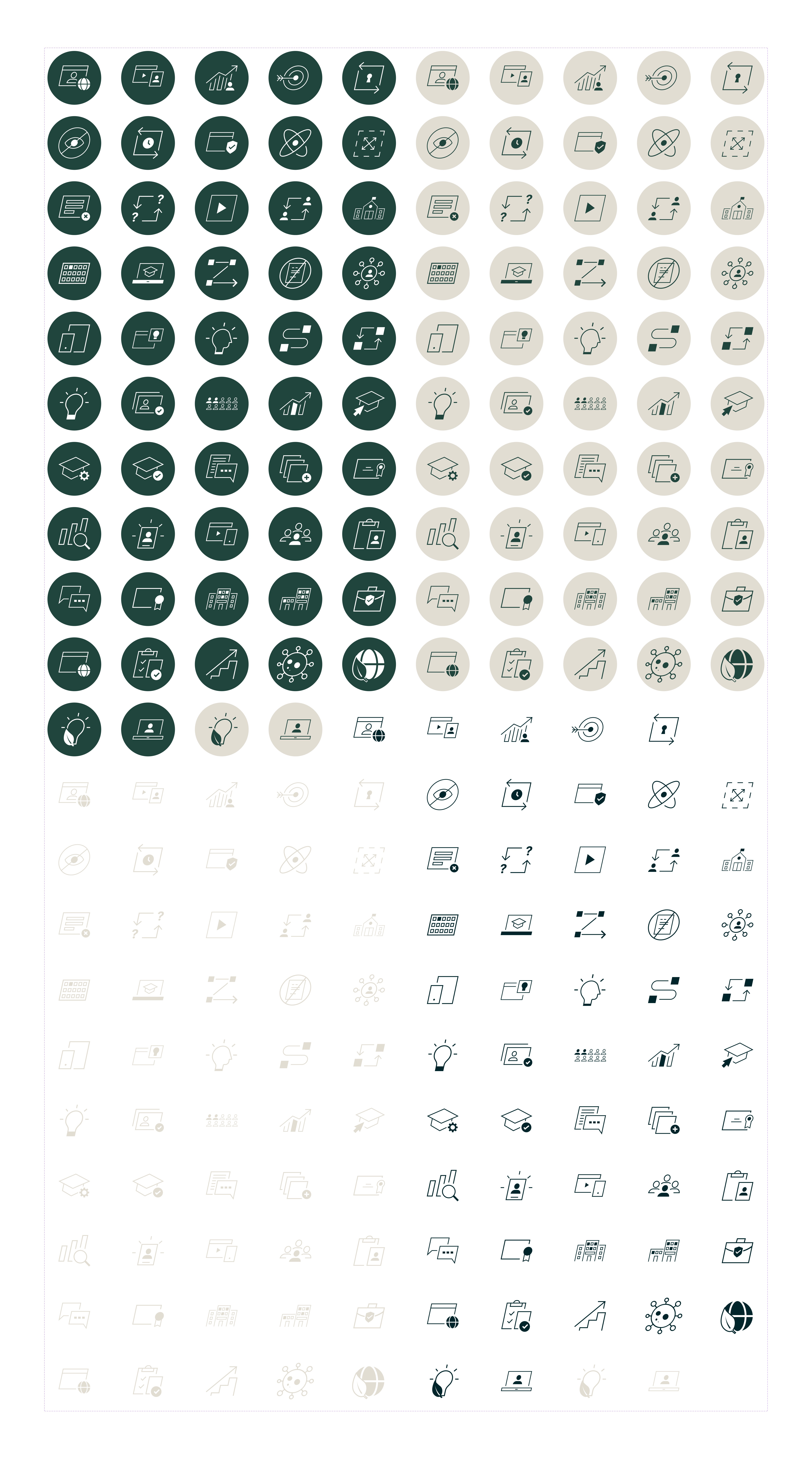
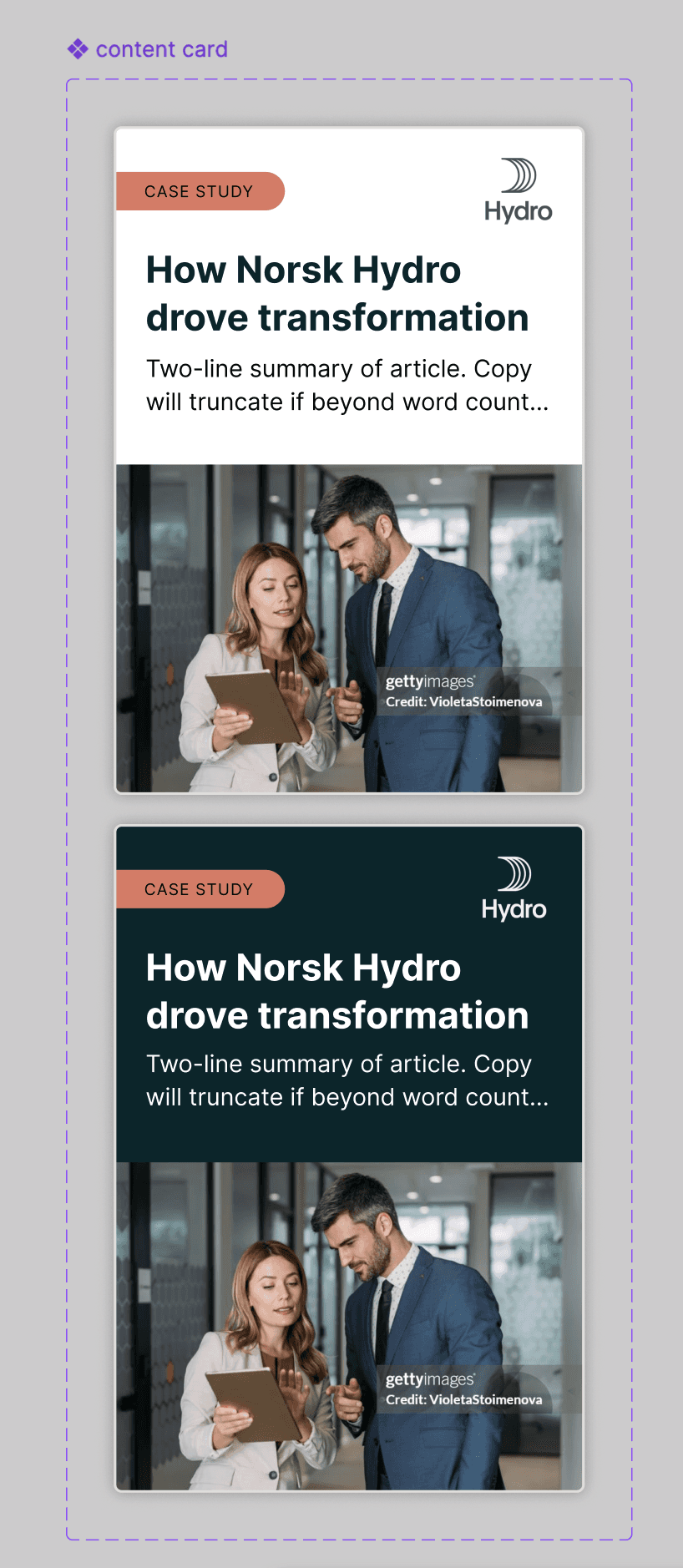
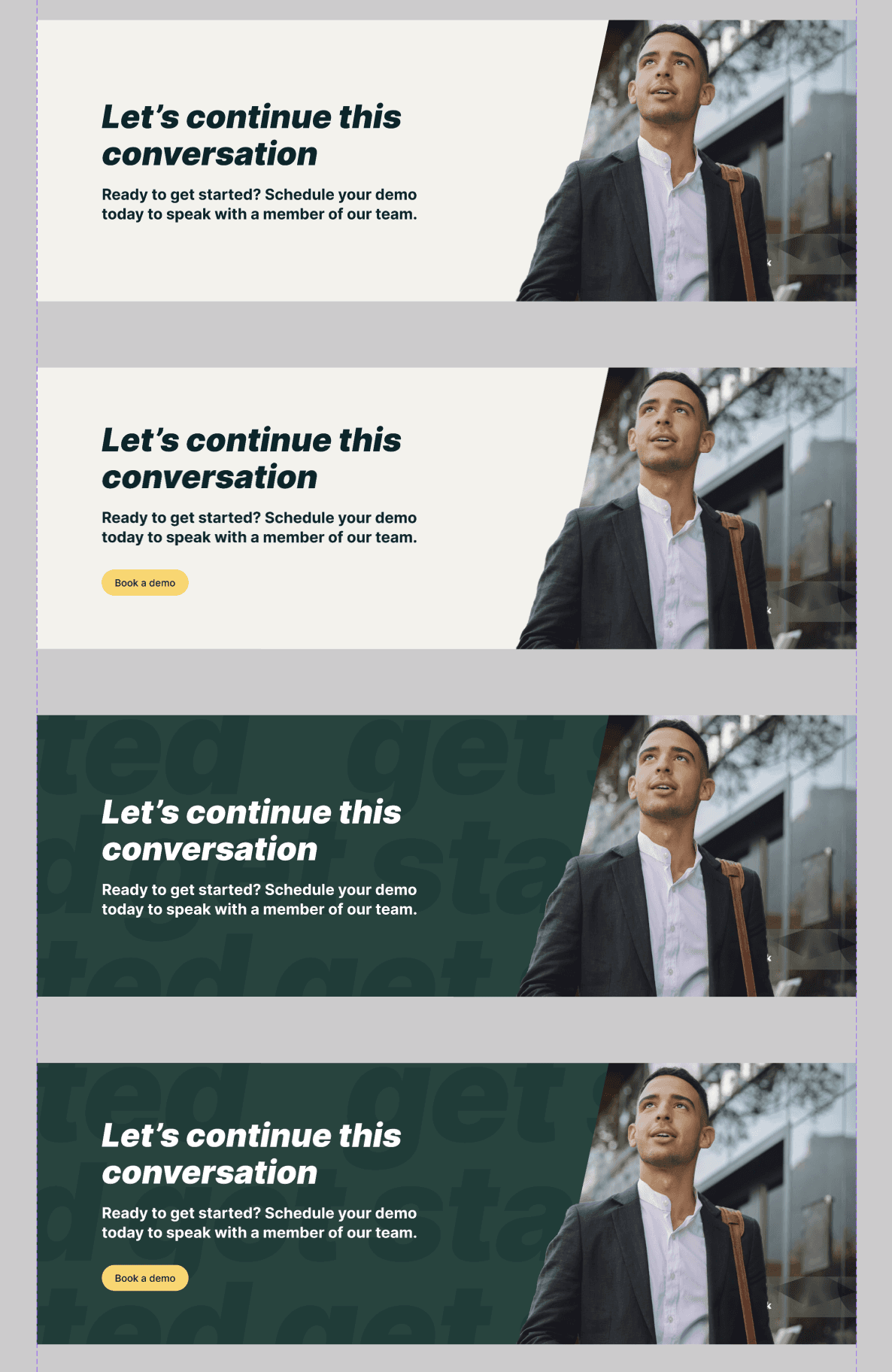
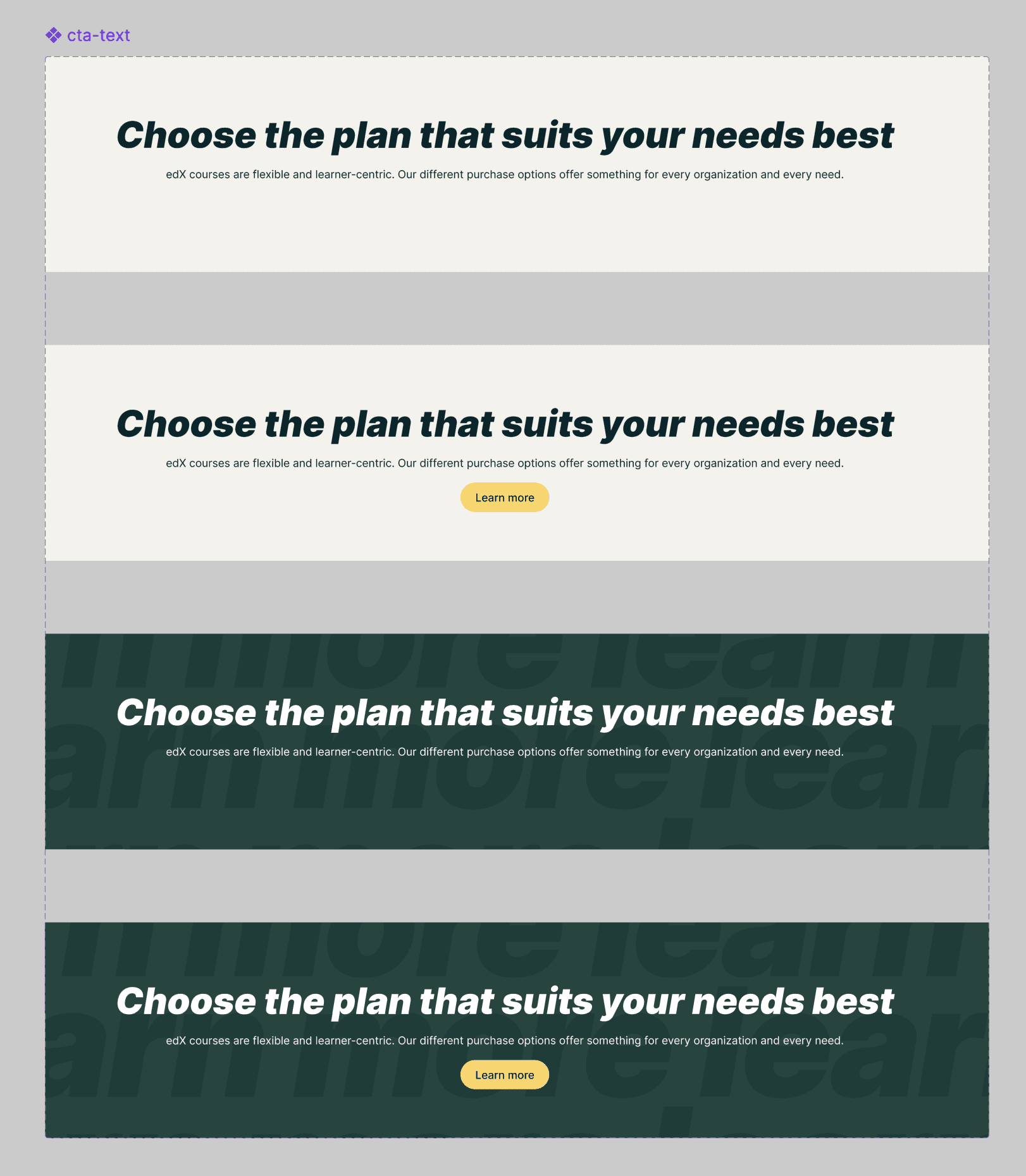
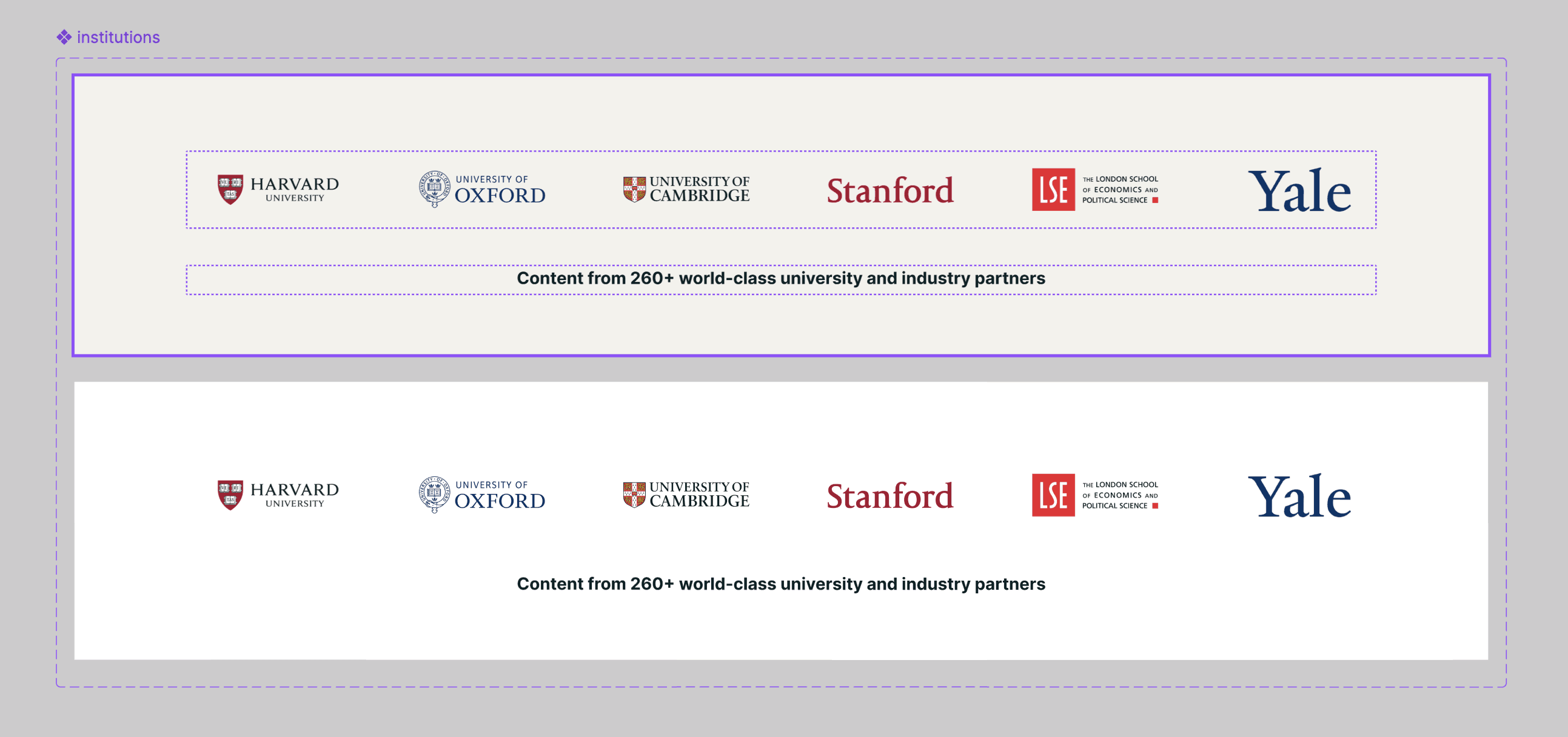
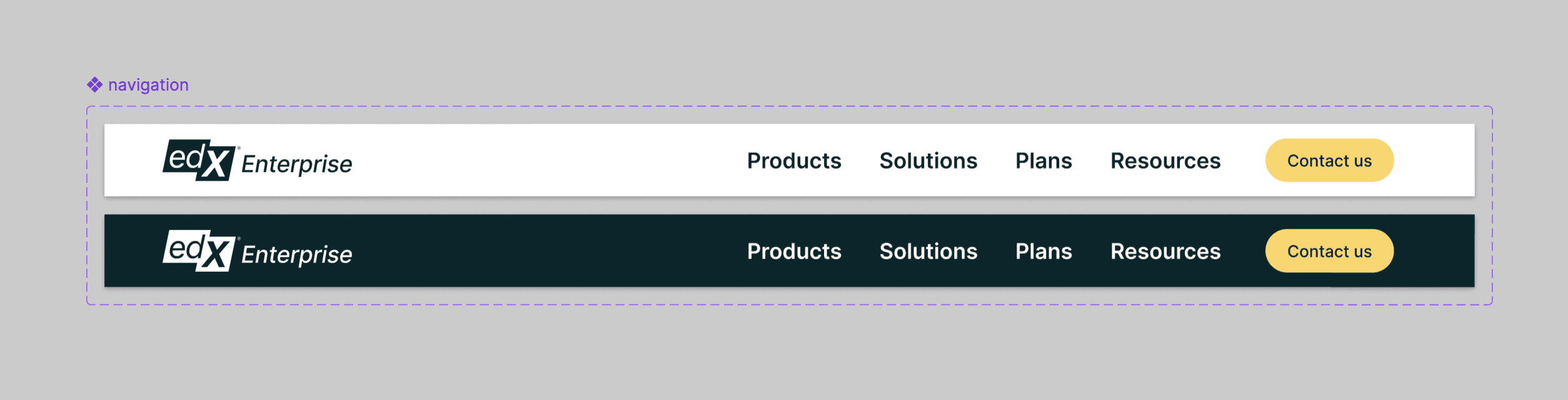
Establish a core component and pattern library in Figma, aligned with WordPress implementation constraints
Define shared expectations for how components should behave, not just how they should look
Facilitate collaborative workshops to align designers, PMs, and developers on usage and intent
Roll out training sessions and create a dedicated Slack channel for feedback, support, and iteration
A key focus was balancing consistency with creative flexibility — ensuring designers felt supported rather than constrained.
The system evolved in response to real usage, helping teams build trust in both the foundations and the process.
Key Learnings
Cross-functional buy-in is essential — systems succeed when PMs, designers, and developers are aligned
Start lean, then scale — high-impact foundations drive stronger adoption than exhaustive coverage
Structure should enable creativity — the best systems remove friction without dulling craft
Looking Ahead
As edX Enterprise continues to evolve, the system is expanding to include stronger accessibility standards, improved flexibility for edge cases, and continued alignment between enterprise needs and user experience quality.
This work reflects how I approach systems leadership: thoughtful foundations, collaborative adoption, and long-term impact over short-term fixes.