Scaling Design Systems Across 150+ Brands
Design Systems
Overview
When 2U consolidated four global business lines, the creative organization faced a foundational challenge: how to support over 150 university brands without sacrificing consistency, speed, or quality.
Design resources were fragmented, workflows varied widely, and there was no shared system connecting brand, marketing, and product design. As the organization scaled, these gaps began to slow delivery, strain teams, and limit creative impact.
I led the creation of 2U’s first Design Systems function to address this challenge — building not just a system, but the team, processes, and culture needed to sustain it.
The Problem We Needed to Solve
The issue wasn’t just missing components or tools. It was organizational:
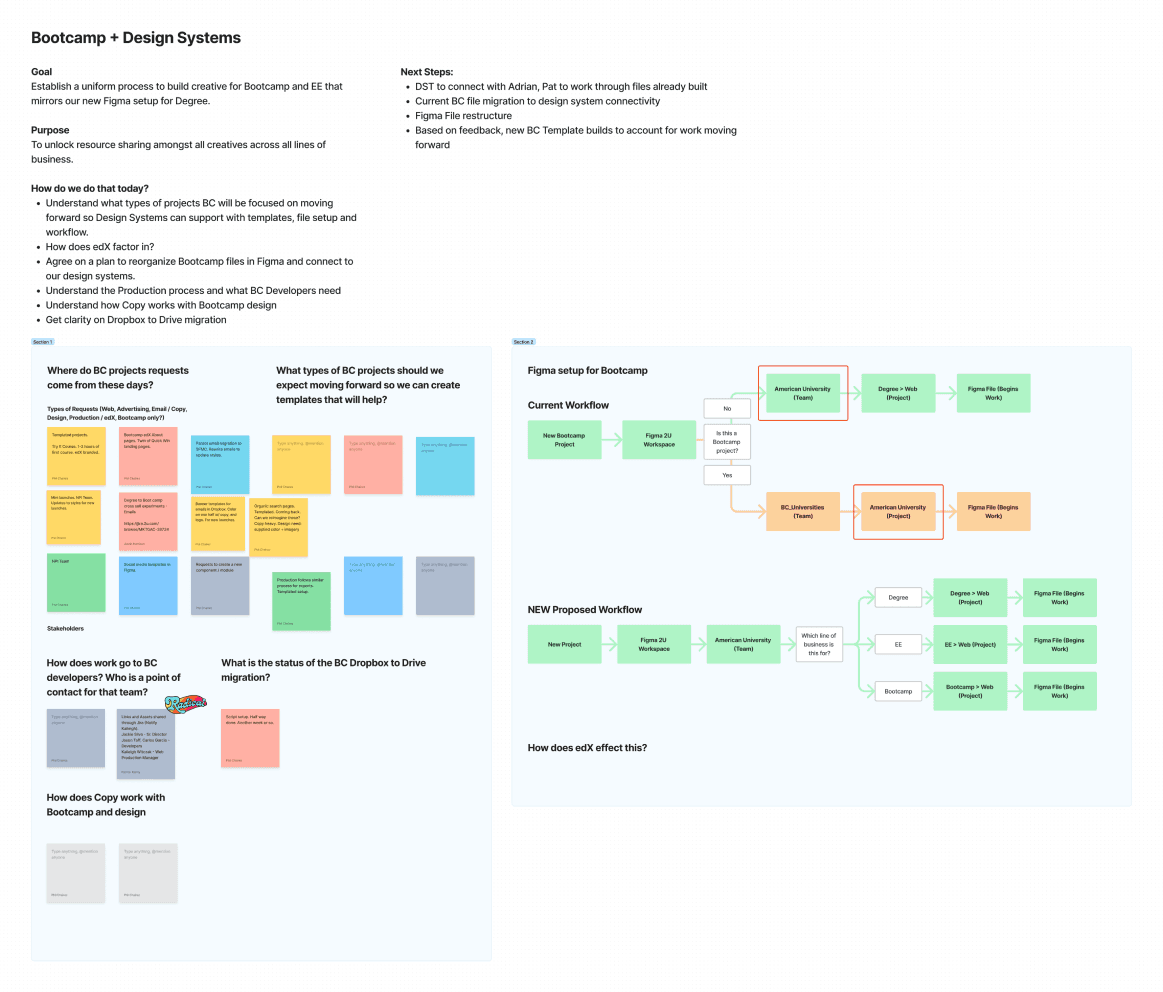
Designers worked in silos across business lines
Brand consistency was difficult to maintain at scale
Design and development workflows were loosely aligned
New designers ramped slowly without shared foundations
Creative teams spent too much time recreating work instead of improving it
Without intervention, these issues would compound as the company grew.
My Role & Leadership Approach
As the design systems lead, I:
Founded and scaled 2U’s first Design Systems Team, establishing its mission, scope, and long-term roadmap
Partnered with senior leadership to define how design systems could support business growth, not just efficiency
Shaped career paths for designers moving into systems-focused roles
Led a company-wide migration from Adobe XD to Figma, pairing tooling changes with a structured learning and adoption plan
My focus was not only on what we built, but how teams would use, evolve, and trust the system over time.
Building the System (and the Org Around It)
We began with a comprehensive audit across brands and teams to understand where patterns aligned — and where they diverged for good reason.
From there, my team and I:
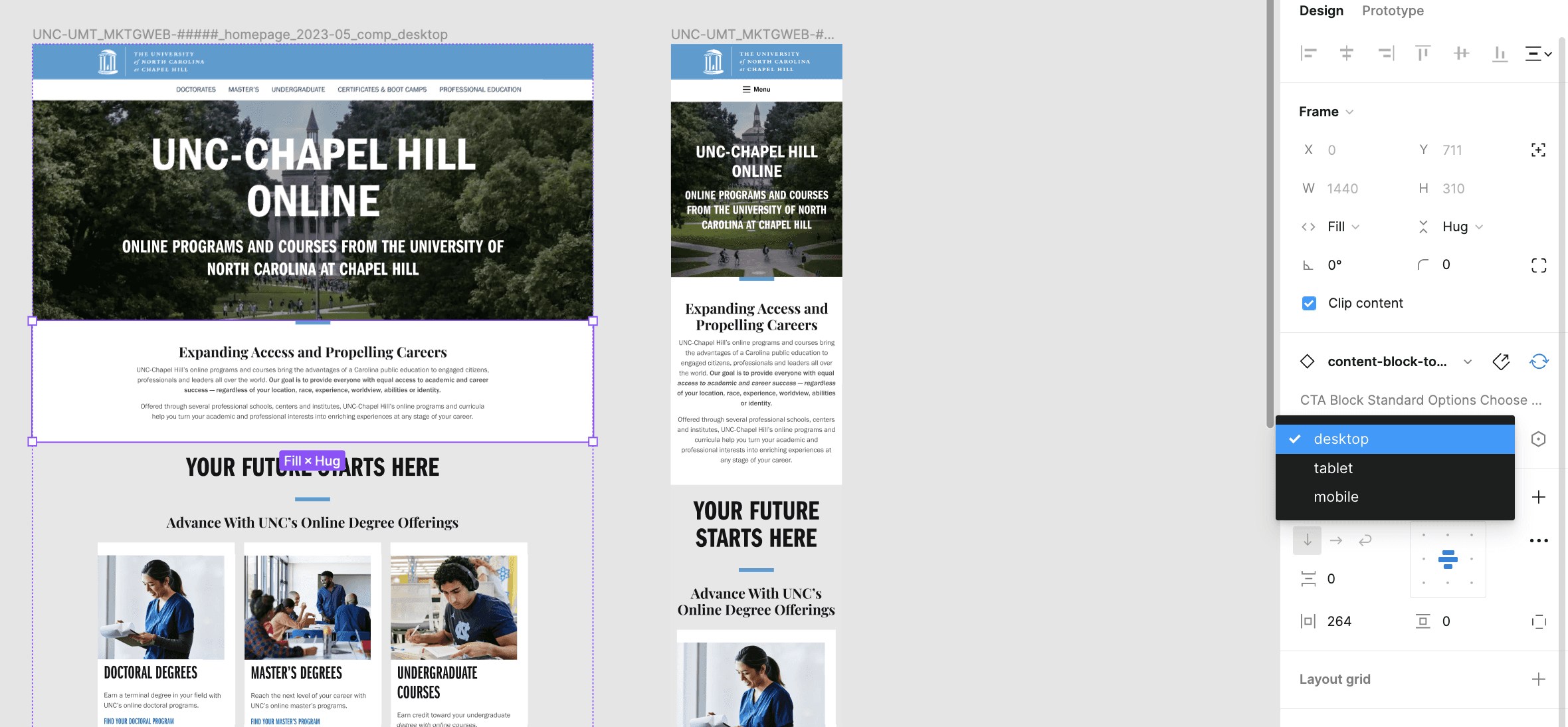
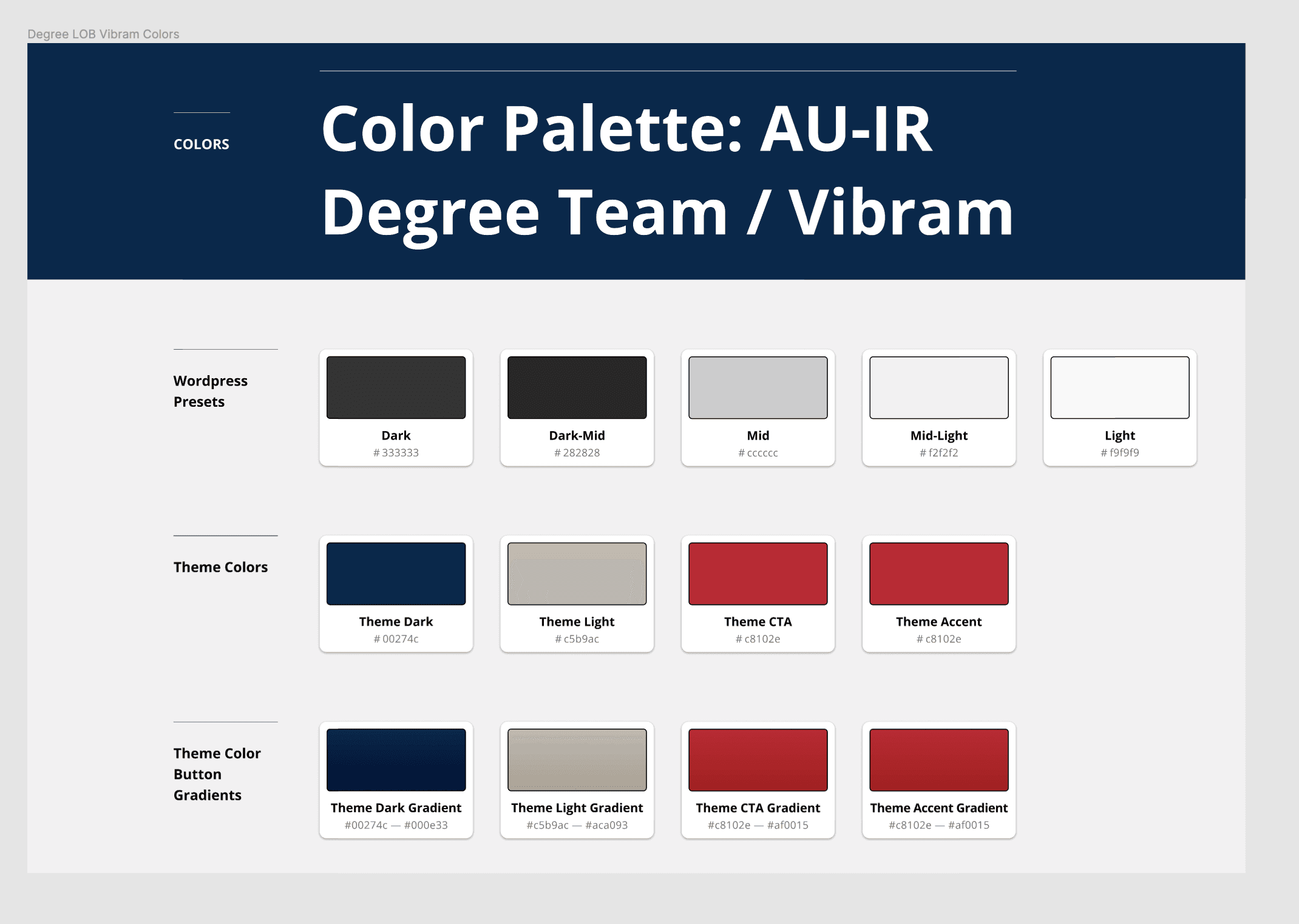
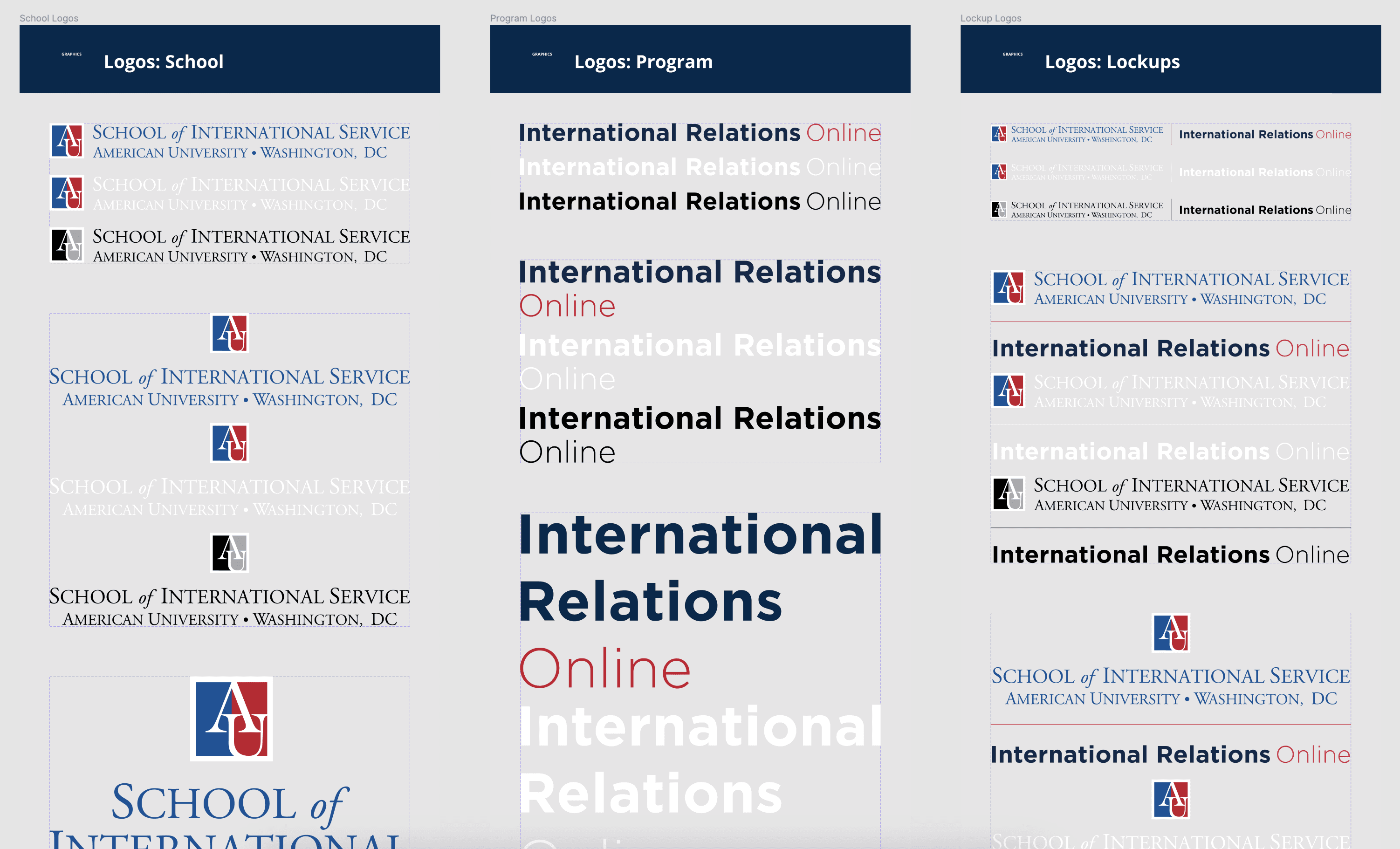
Designed a multi-brand, scalable design system that supported both shared foundations and partner-specific expression
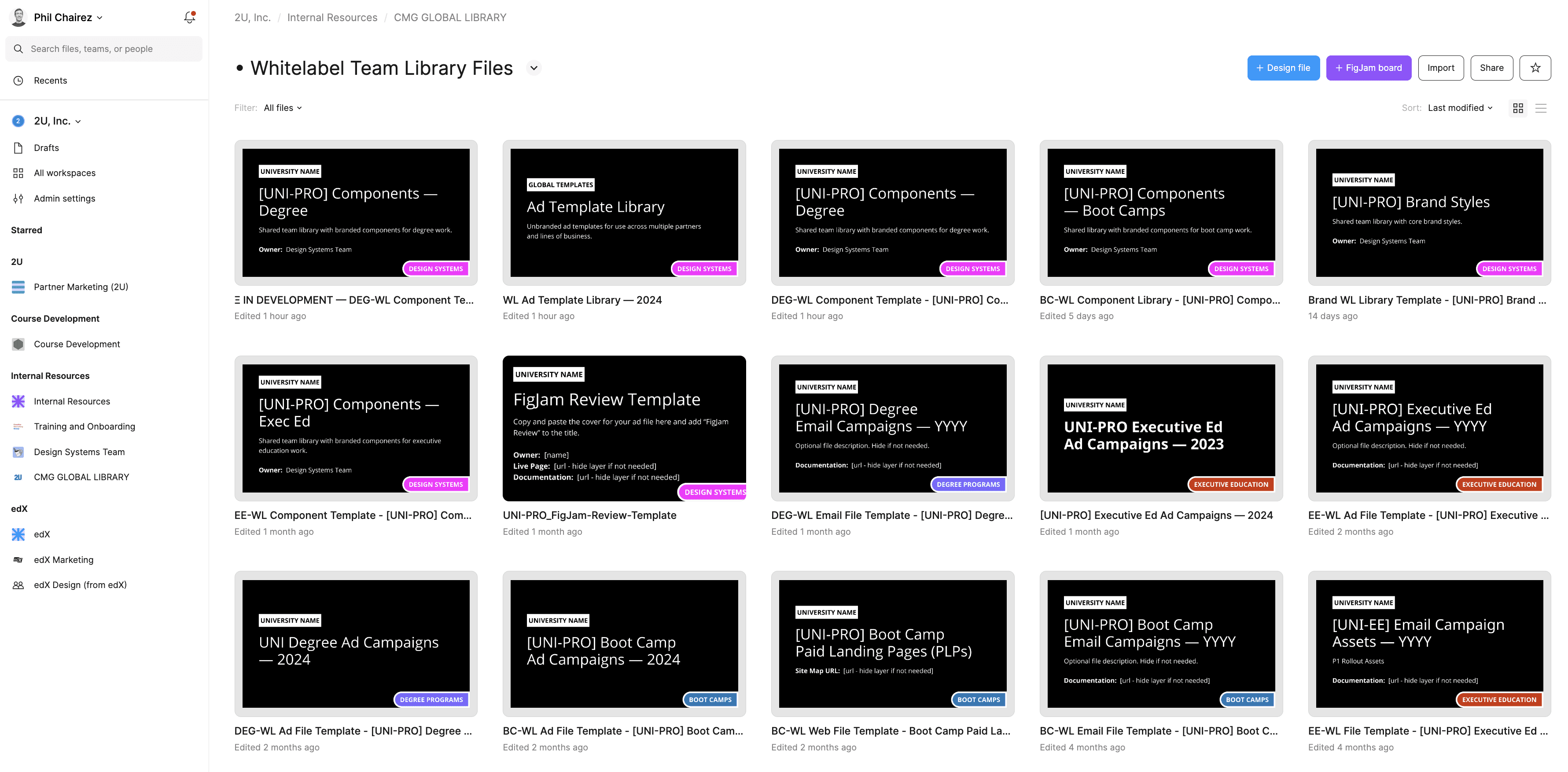
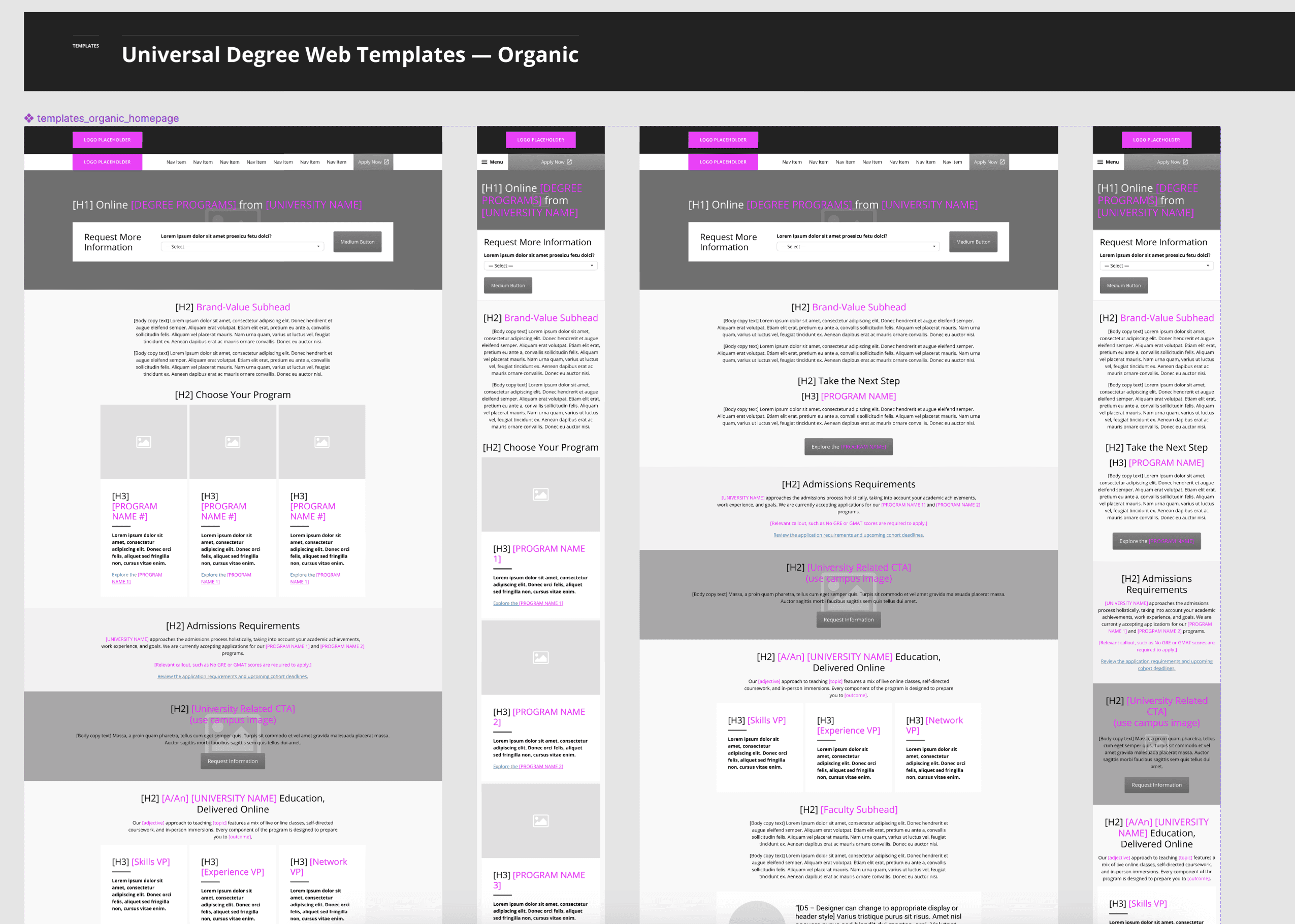
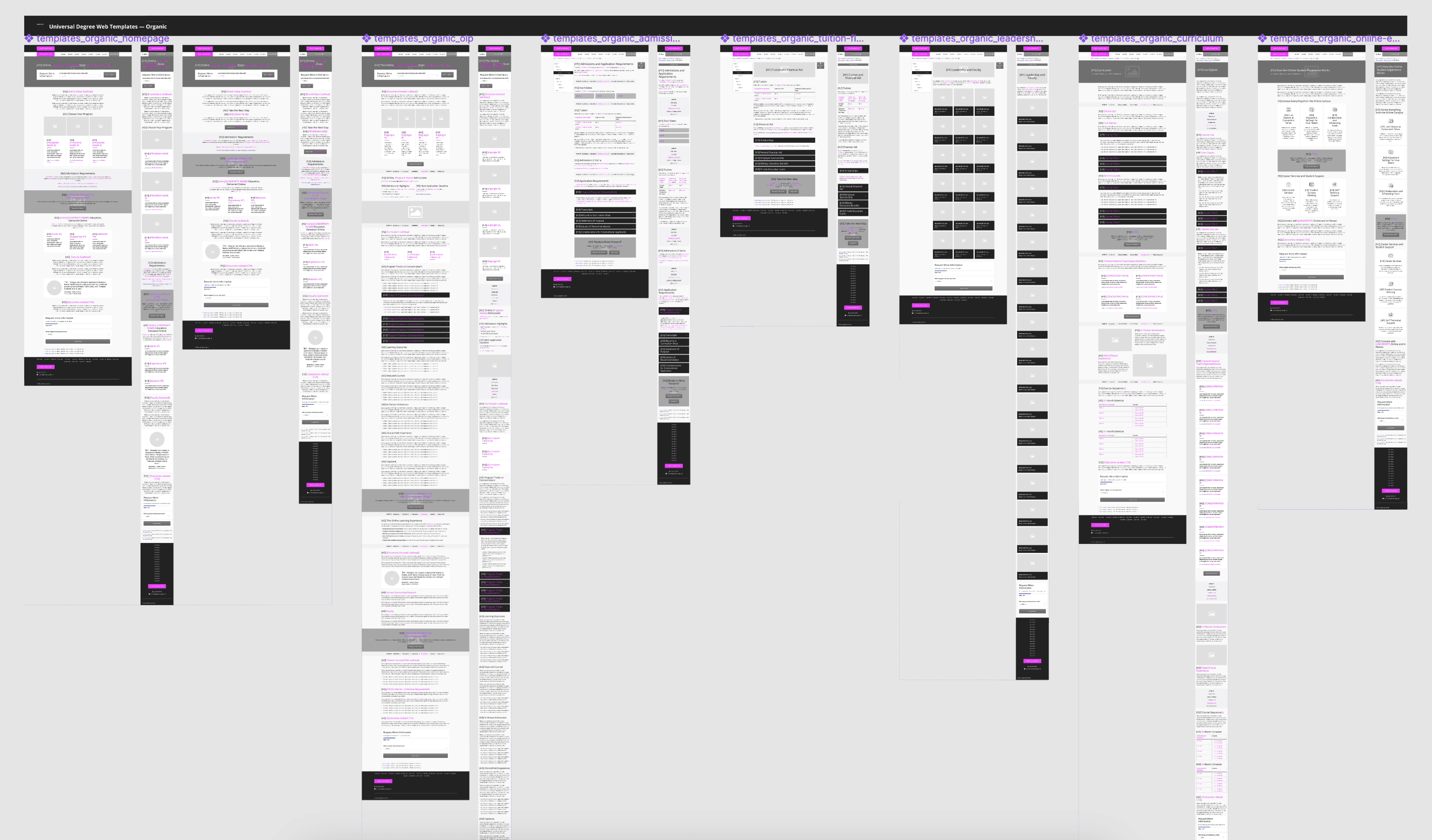
Created white-labeled templates for university partners, enabling faster updates without sacrificing brand integrity
Aligned design components with development needs to reduce friction between design and engineering
Established governance and contribution models so the system could evolve sustainably
To ensure adoption, I led:
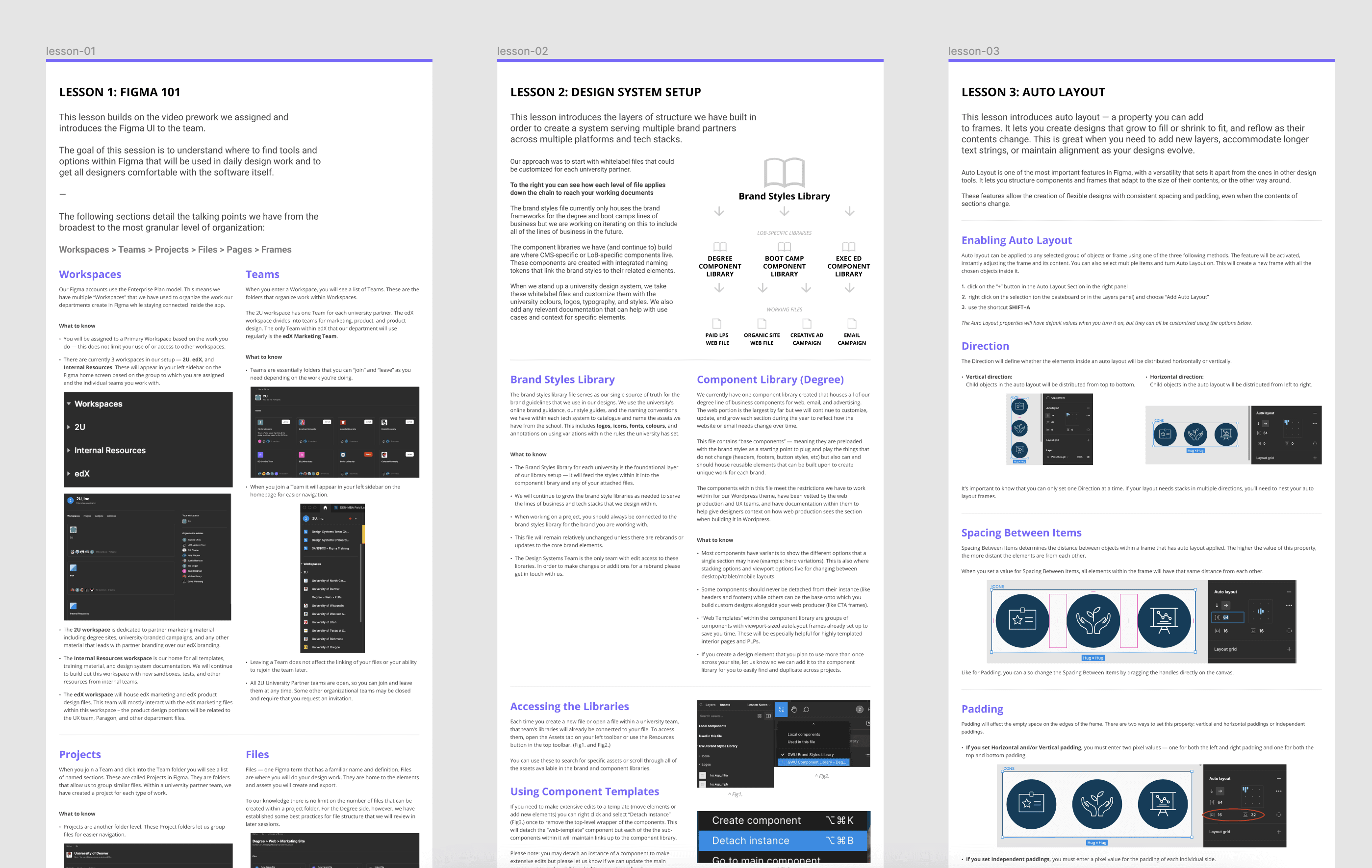
A 12-week Figma training program for 15 designers
Ongoing documentation and enablement resources
A dedicated Slack channel for support, feedback, and iteration
This approach prioritized enablement over enforcement, helping designers feel ownership rather than obligation.
Results
The impact of the system extended beyond tooling:
Design efficiency improved by ~25%
Project turnaround times decreased by ~30%
QA cycles were reduced by ~30%
Designers reclaimed time for higher-value creative and strategic work
Perhaps most importantly, design systems became a shared organizational asset, not a niche function. A dedicated team now partners with UX, web development, and design leads to continuously evolve templates, patterns, and workflows.
25%
improved design efficiency
30%
faster project turnaround
30%
QA time reduced
What This Work Represents
This case study reflects how I approach leadership:
Systems as leverage, not control
People-first enablement, not rigid process
Craft and critique, even at scale
Long-term thinking, beyond individual launches
By focusing on foundations, trust, and collaboration, we created a system that still supports teams long after its initial launch.